


February and March in Alberta are still firmly winter. Snow, slush, and road salt continue to damage vehicles daily, while spring thaw is already approaching. That makes this the ideal time for winter car maintenance to assess damage and repair it before warmer temperatures accelerate corrosion and wear.
Vehicles driven through December and January accumulate heavy exposure to salt brine, abrasive grit, and frozen debris. Paint chips multiply, undercarriage components absorb chemical residue, and interiors collect moisture and salt. Addressing this damage now prevents costly deterioration during spring and summer driving.
Winter Car Maintenance: Removing Road Salt Before Corrosion Starts
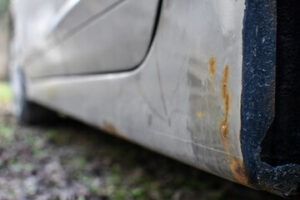
Road salt keeps Alberta roads drivable, but it is one of the most aggressive corrosive agents vehicles encounter. Calcium chloride and sodium chloride compounds dissolve into brine that penetrates paint defects, settles into seams, and coats undercarriage components.
Salt residue appears as white deposits on paint, wheel wells, and underbody panels, but the most damaging contamination hides behind bumper covers, inside door sills, and throughout frame channels. Standard washing removes surface residue only.
Professional detailing targets these concealed areas. Technicians access inner fender liners, flush frame channels with high-pressure water, and manually clean seam zones where salt accumulates. Full detailing packages include salt removal from exterior surfaces and hard-to-reach areas, giving your vehicle a clean foundation before spring weather arrives.
Undercarriage Cleaning and Undercarriage Rust Proofing
The undercarriage endures the harshest winter exposure. Each drive across salted roads deposits brine onto suspension components, brake lines, exhaust systems, and structural rails. Alberta winters create some of the most severe corrosion conditions for vehicles in Canada.
Undercarriage cleaning removes salt and chemical buildup from these vulnerable parts and reveals early rust development before structural damage occurs. Once clean, undercarriage rust proofing creates a protective barrier against ongoing exposure.
Wax-based rust proofing penetrates seams and internal panels to block moisture intrusion. Undercoating applies a thicker bonded layer that shields exposed metal surfaces from salt spray and impact abrasion. Applying protection in late winter prevents accelerated corrosion during spring thaw.
Paint Chip Repair: Stop Rust Before It Spreads

Winter driving inevitably produces paint chips. Gravel, ice fragments, and road debris impact hoods, bumpers, fenders, and mirrors, exposing primer or bare metal. In Canada’s salted road environment, even small chips quickly become corrosion points.
Professional paint chip repair involves cleaning the damaged area, applying precise colour-matched paint, and sealing the repair with clear coat protection. Systems such as Dr. ColorChip match factory finishes and create durable repairs that withstand seasonal exposure.
Repairing chips before spring prevents rust migration beneath surrounding paint, avoiding larger failures and expensive refinishing later.
Interior Clean-Up Removes Winter Salt and Moisture Damage

Winter damage extends inside the vehicle. Wet footwear, snow-covered clothing, and slush-filled parking lots leave carpets, mats, and upholstery saturated with salt and grime. Residual salt attracts moisture from the air, keeping fabrics damp and accelerating deterioration.
Professional interior detailing extracts embedded salt, mud, and moisture from fibres using hot water extraction. This process removes abrasive particles and contaminants that cause odours, staining, and material wear. Dashboards, plastics, door panels, and cargo areas are also cleaned and conditioned to restore surfaces affected by winter exposure.
Pre-Spring Protection: Coatings and Paint Protection Film
Late winter is the optimal time to apply protective treatments before spring driving increases exposure to debris and contaminants.
Ceramic coatings create a hydrophobic barrier that repels water, salt residue, pollen, and road film while simplifying cleaning. Paint protection film provides a physical shield against rock chips on high-impact areas such as bumpers, hoods, mirrors, and fenders.
Installing protection before spring ensures vehicles enter peak driving season with maximum defence against damage.
Don’t Wait for Spring: Book Your Winter Vehicle Assessment
Appointments in February/March fill quickly as drivers recognize winter damage. Waiting until spring allows corrosion, paint failure, and interior deterioration to worsen while availability tightens.
Scheduling winter car maintenance now removes salt contamination, repairs paint chips, protects the undercarriage, and restores the interior before spring conditions accelerate wear.
Book your winter damage assessment with Ming Shine today and prepare your vehicle for a cleaner, protected transition into spring driving.